
Vacation Rental Bookkeeping for Property Managers: Trust Accounting, Reconciliation, and Owner Statements
A complete guide to vacation rental bookkeeping for property managers: trust accounting, reconciliation, and owner statements that actually tie out every time.
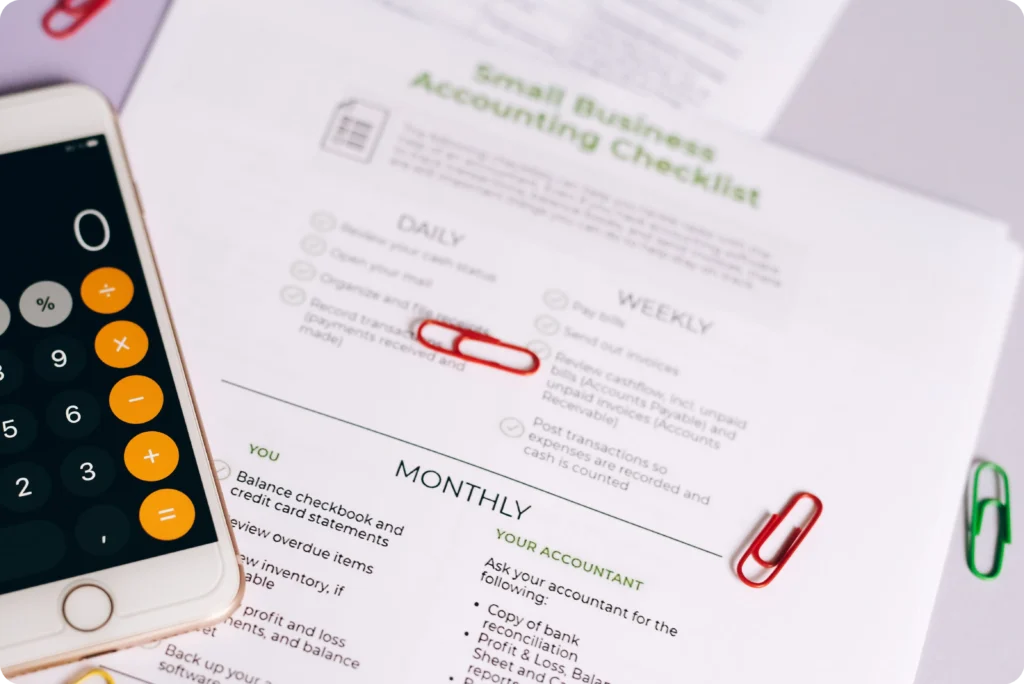
Quick summary: Vacation rental bookkeeping for professional property managers goes well beyond categorizing income and expenses. It requires trust accounting, reconciliation between bookings, bank deposits, and owner balances, and owner statements that tie out every time. Spreadsheets and generic bookkeeping tools can carry a small portfolio for a while, but the workload compounds as owner count and booking volume grow. This guide walks through the full bookkeeping workflow, where it tends to break down, and what a scalable system actually requires.
Traditional Bookkeeping vs. STR Financial Operations
Traditional vacation rental bookkeeping advice often misses the mark for professional managers. Most of it assumes single-owner properties or hobbyist hosts. Real operations introduce another layer: owner funds, trust accounting requirements, complex reconciliations, and higher expectations around record-keeping and reporting.
Property managers handling money for multiple owners, reconciling recurring bookings from platforms like Airbnb and Vrbo, and preparing month-end reporting need more than generic bookkeeping tips. The financial system has to make every dollar traceable, from guest booking to bank deposit to owner payout. When the books don’t match the bank, and payouts don’t match the statements, that traceability gap is the real problem this guide addresses.

Why STR Bookkeeping Is Different
Managing Other People’s Money
Unlike general business accounting, STR property management often carries custodial responsibility for owner funds. This isn’t just a best practice worth adopting. Many jurisdictions require strict trust accounting to keep owner money separate and fully traceable.
Multiple Revenue Streams and Timing Issues
Bookings come from various sources, including Airbnb, Vrbo, direct bookings, and others. Each platform imposes processing fees, timing lags, and occasional refunds. Sometimes booking money arrives well in advance of a guest’s stay; in other cases, commissions or taxes are withheld and released later. These timing mismatches require extra steps to keep the books both accurate and complete.
Owner-Ready Financials
Property managers aren’t only tracking their own management revenue. Each owner needs property-level financials: clean, comprehensible statements showing rental income, fees, withholdings, reserves, and distributions. This isn’t just about balance sheets. It’s about transparency and trust.
STR bookkeeping is trust accounting at its core, and it depends on two related but distinct steps. Bookkeeping organizes the transaction data, sorting revenue and expenses by property and owner. Reconciliation verifies that data against real bank activity, confirming the books actually match what happened in the account. A property manager can have clean-looking books that are still wrong if nobody is checking them against the bank. Both steps matter; neither substitutes for the other.
The STR Bookkeeping Flow (Step-by-Step)
A robust STR bookkeeping workflow creates an unbroken audit trail from booking to payout. Here’s how to structure the end-to-end process:
- Reservation Data Imports: All bookings and guest reservations flow in from the property management software (PMS) or direct from platforms like Airbnb, Vrbo, and direct sites.
- Calculate Expected Payouts: For each booking, deduct platform fees, management commissions, sales and occupancy taxes to establish net payout expectations.
- Bank Transaction Matching: Match each actual bank deposit with the expected amount per reservation. Investigate discrepancies before they compound.
- Transaction Categorization & Allocation: Every deposit and expense should be coded by property, owner, and category, cleanly separating reimbursable expenses, management fees, repairs, and reserves.
- Monthly Statement Generation: Aggregate all transactions into property- and owner-specific financial statements, showing income, expenses, and payouts.
- Owner/Vendor Payouts: Trigger ACH or other payments, tying distributions back to reconciled statement figures and actual trust account balances.
A system built on these steps delivers a clear audit trail that gives owners real confidence in the management service and makes tax season clean-up easier.
Precision bookkeeping isn’t just for accountants. It builds owner confidence, speeds up payouts, keeps the books accurate, and the audit trail clear.
The Month-End Close Timeline
An organized close prevents issues from slipping through the cracks. Here’s a sample division of weekly and monthly tasks for an STR operation:
Weekly Tasks:
- Match new deposits to booking records
- Code incoming vendor and operating expenses
- Allocate each transaction by property and owner
- Review outstanding owner or guest reimbursements
Monthly Tasks:
- Perform a full trust account reconciliation (books to bank)
- Generate and review owner statements
- Confirm correct tax withholdings and filings
- Process owner payouts and ensure clear audit trails
Adopting a checklist flow reduces last-minute errors and makes it possible to scale with clarity as doors or owners are added.
Common Breakdowns (and How to Avoid Them)
STR bookkeeping comes with common pitfalls, especially as portfolios grow:
- Mismatched data: Bookings and deposits don’t tie out, often due to timing differences or missing information.
- Uncoded expenses: Transactions are left unassigned, leading to incorrect owner statements or unclaimed reimbursements.
- Statements out of sync with trust accounts: Owner financials don’t reconcile with the underlying trust account, risking real compliance exposure for the operator.
Spreadsheets deserve a specific mention here, since they’re where most STR bookkeeping starts. For an operator with a handful of properties and predictable payouts, a well-built spreadsheet can track income, expenses, and owner splits without much friction. The formulas are visible, the categories are simple, and one person can hold the whole picture in their head. That works, until the portfolio, the owner count, or the platform mix grows past what one person can track manually. At that point, manual data entry, whether in a spreadsheet or a generic accounting system, becomes the main source of inconsistency and audit risk: a mistyped figure or a missed row doesn’t announce itself, it just sits quietly until an owner statement doesn’t tie out. Spreadsheets also don’t flag a missing payout on their own or reconcile automatically against bank activity, so the same manual entry that created the error is usually what’s needed to catch it, if anyone catches it at all. The formulas that worked at 2-3 properties tend to break quietly at ten, and the breakage often isn’t visible until an owner statement is already wrong.
How to prevent these issues:
- Use automated tools like Clearing to reconcile bookings, deposits, and expenses in real time.
- Establish written standard operating procedures (SOPs) for transaction coding and allocations.
- Use real-time dashboards to monitor reconciliation status, pending tasks, and owner statement generation.
Accurate STR bookkeeping means every number, statement, and bank balance can be traced and explained, no matter the property volume.
Booking deposits and rent pre-payments add another layer worth understanding on their own, since they’re collected before the service they cover is delivered. This guide to handling booking deposits and pre-payments covers how these are typically treated in a trust accounting context.
Why STR Purpose-Built Trust Accounting Tools Are Essential
Manual or generic bookkeeping software isn’t designed for the intricacies of STR property management. Here’s what a trust accounting system needs to handle, and why purpose-built options like Clearing have become industry standards:
Essentials for STR trust accounting:
- Seamless booking and PMS integrations to pull reservation data automatically
- Property-level fund tracking to prevent commingling
- Automated owner statement generation and distribution
- Straightforward owner and vendor payout workflows that tie to reconciled balances
- Reporting with a clear audit trail that owners and accountants can follow
- Support for multi-owner, multi-entity operations
Clearing is built with these requirements at the core, automating the trust accounting workflow so property managers can focus on growth, not spreadsheet firefighting.
Owner Statements that Actually Tie Out
The ultimate test of an STR bookkeeping system is a year-end owner statement that’s both comprehensive and accurate. What belongs on a clean, fully reconciled owner statement?
- Gross rental revenue for the year
- All platform and management fees, broken out by type
- Net income after expenses and withholdings
- Any owner reserves held or released
- All reimbursed amounts and chargebacks
- Total distributions and remaining trust balance
Every figure on the statement should tie back directly to the trust account records and actual payouts, giving owners confidence in the numbers and a clear audit trail if questions come up. For a full walkthrough of building airtight year-end summaries, see how to build STR year-end owner statements that tie out.
Build a Scalable, Repeatable Short-Term Rental Bookkeeping System
Short-Term Rental bookkeeping isn’t just about QuickBooks or spreadsheets. To build a property management business that scales, the financial system needs to:
- Reconcile every transaction from booking to bank to owner payout
- Allocate every dollar by property and owner, without commingling
- Produce accurate, reconciled owner statements with true financial clarity
Trust accounting is the foundation. A dedicated tool like Clearing positions the business for growth and owner trust, without end-of-month or end-of-year chaos.
Want to see how Clearing can simplify STR bookkeeping? Book a free, personalized demo today.
Frequently Asked Questions
- What is vacation rental bookkeeping? Vacation rental bookkeeping is the process of recording, categorizing, and organizing every financial transaction tied to a short-term rental property, including bookings, fees, expenses, and owner distributions, by property and by owner.
- How is vacation rental bookkeeping different from regular bookkeeping? Vacation rental bookkeeping usually involves holding and distributing money on behalf of property owners, which most general business bookkeeping doesn’t. That custodial responsibility, often called trust accounting, requires owner funds to stay separate from operating funds and fully traceable.
- Can spreadsheets handle vacation rental bookkeeping? Spreadsheets can work for a small portfolio with a handful of properties and predictable payouts. As owner count, booking volume, and platform mix grow, manually maintained spreadsheets tend to break down because they don’t reconcile automatically against bank activity or flag missing payouts on their own.
- What’s the difference between bookkeeping and reconciliation for vacation rentals? Bookkeeping organizes transactions, sorting revenue and expenses by property and owner. Reconciliation verifies that the books match actual bank activity. Clean-looking books can still be wrong if they haven’t been reconciled against the bank.
Clearing is a financial technology company, not a bank.